
Business
TriAxle vs Single Axle vs Tandem Axle Dump Trucks: What is Best for You?


When diving into the world of dump trucks, one of the first things you’ll notice is the varied configuration of axles. Your choice between a single axle, tandem axle, or triaxle dump truck isn’t merely about aesthetics or style—it has a direct bearing on the truck’s performance, capability, and even its legal standing. So, how do you determine which is the best fit for your needs? Let’s dive deep into these axle configurations.
Single Axle Dump Trucks
Best Use: These trucks are best suited for smaller jobs or in tight areas where larger trucks may struggle. They’re often used in urban environments, for light landscaping tasks, or minor construction projects.
Cost Differentiation: Generally speaking, single axle dump trucks tend to be the least expensive in terms of both initial cost and maintenance.
Pros:
- Maneuverability: Due to their smaller size, they can navigate tighter spaces with ease.
- Lower Operation Costs: Fuel consumption is typically lower, and they require fewer tires, translating to lower maintenance costs.
Cons:
- Limited Capacity: They can’t carry as much weight as their multi-axle counterparts.
- Less Traction: With only one axle, traction can be a challenge in muddier or slipperier conditions.
Tandem Axle Dump Trucks
Best Use: A versatile choice, tandem axle trucks are ideal for medium-sized jobs like hauling materials for residential construction or transporting dirt and gravel.
Cost Differentiation: While they’re more expensive than single axle trucks, their increased capacity and versatility often justify the cost.
Pros:
- Higher Capacity: They can carry more than single axle trucks, allowing for more efficient material transportation.
- Better Traction: The additional axle provides better traction, especially in challenging terrains.
- Versatility: They strike a balance between the maneuverability of single axle trucks and the capacity of triaxle trucks.
Cons:
- Higher Operating Costs: They consume more fuel and may have higher maintenance costs due to the extra axle.
- Reduced Maneuverability: They can’t navigate tight spaces as efficiently as single axle trucks.
TriAxle Dump Trucks
Best Use: For heavy-duty tasks. Think large construction projects, mining, or hauling large volumes of material.
Cost Differentiation: Triaxle trucks are the most expensive among the three, both in terms of upfront cost and operational costs.
Pros:
- Maximum Capacity: They can haul significantly more weight than both single and tandem axle trucks.
- Stability and Traction: Three axles mean better distribution of weight and improved traction.
- Durability: Built for heavy tasks, they’re rugged and durable.
Cons:
- Cost: High upfront and operational costs.
- Maneuverability: Their large size means they’re not ideal for tighter spaces or urban environments.
- Fuel Consumption: Generally, they have higher fuel consumption rates.
State Requirements
It’s crucial to consider state regulations when choosing a dump truck. Some states have restrictions on the weight a truck can carry, which often relates directly to the number of axles a truck has. For instance, triaxle trucks, given their capacity to carry heavy loads, might be subject to restrictions in certain areas.
In addition, some states may have road and bridge weight limits that may require the use of a specific axle configuration. Before making a purchase, always check local and state regulations to ensure you’re compliant.
Conclusion
Choosing between a single axle, tandem axle, or triaxle dump truck isn’t just about the truck itself—it’s about what you need the truck to do. Factor in the nature of your tasks, the terrains you’ll encounter, your budget, and legal requirements to make an informed decision. Each truck has its unique advantages, and the right choice can optimize your operations and boost efficiency.

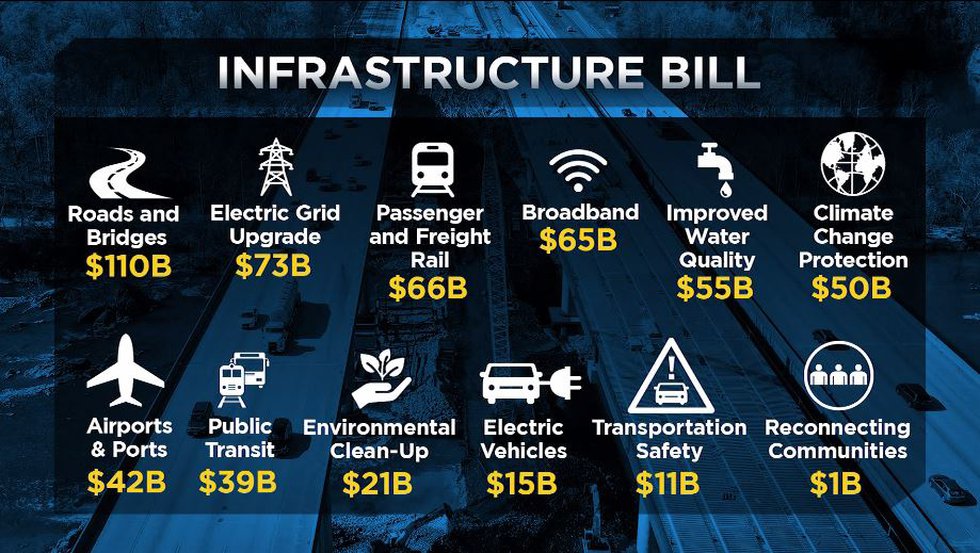
The Infrastructure Investment and Jobs Act, signed into law in 2021, earmarked approximately $1.2 trillion for infrastructure developments across the U.S. While the bill covers a broad spectrum of projects, from broadband expansion to environmental remediation, one industry that stands front and center is the dump truck industry. Here’s a closer look at how this monumental legislation is reshaping the landscape for dump truck operators.
1. A Surge in Demand
The most immediate impact of the Infrastructure Act on the dump truck industry is the anticipated surge in demand. With major allocations for roads, bridges, and other foundational structures, there’s an inherent need for dump trucks to transport essential materials. Whether it’s asphalt for a new freeway or gravel for a bridge foundation, dump trucks will be the backbone of these construction endeavors.
2. Job Boom
As these projects gain traction, the need for skilled dump truck drivers will undoubtedly rise. This boom presents an excellent opportunity for those looking for stable employment in a growth-oriented sector. Moreover, it’s not just about driving; support roles in maintenance, logistics, and administration within the dump truck industry are also set to benefit.
3. Fleet Expansion and Modernization
To cater to this increased demand, dump truck companies will likely need to expand their fleets. Furthermore, aging trucks may need to be replaced with modern, more efficient models. This uptick in demand could be a boon for manufacturers and vendors associated with the trucking industry.
4. Navigating Operational Challenges
While the heightened demand is a positive, it’s not without its challenges. Coordinating logistics for multiple projects, ensuring timely maintenance of vehicles, and managing routes efficiently to avoid congestion will become increasingly crucial. Companies that can streamline their operations and leverage technology for efficient fleet management will be a step ahead.
5. Economic Impacts: Price Fluctuations
With the rise in infrastructure projects, the demand for construction materials might outpace the supply, leading to potential price fluctuations. For dump truck businesses, this could mean increased operational costs, underscoring the importance of strategic planning and efficient resource management.
6. Regulatory Landscape
Infrastructure projects often come with a tapestry of regulatory requirements. Whether it’s environmental standards, safety protocols, or project-specific regulations, dump truck operators will need to be well-versed and compliant. This could also lead to a need for training and updating operational standards.
Conclusion
The Infrastructure Investment and Jobs Act is undoubtedly a game-changer for the dump truck industry. While the surge in demand and potential for job creation are exciting, the industry also faces challenges that require strategic foresight. By staying informed, embracing innovation, and emphasizing operational efficiency, the dump truck industry can ride this wave of opportunity to new heights.

Being an owner-operator of a dump truck can be both rewarding and challenging. Here are some of the key challenges associated with this occupation:
- Initial Investment: One of the most significant challenges is the upfront cost of purchasing a dump truck. Dump trucks are expensive, and acquiring the necessary financing or capital to buy one can be a barrier for many individuals.
- Operating Costs: Owning and operating a dump truck comes with ongoing expenses such as fuel, maintenance, insurance, and registration fees. These costs can add up quickly and affect your profitability.
- Finding Clients: Securing consistent contracts and clients can be challenging, especially when you’re starting. Competition can be fierce in the industry, and building a reliable customer base takes time and effort.
- Maintenance and Repairs: Dump trucks endure a lot of wear and tear due to the nature of their work. Regular maintenance and occasional repairs are essential to keep your truck running smoothly. These costs can be unpredictable and impact your bottom line.
- Seasonal Fluctuations: The demand for dump truck services can vary significantly depending on the region and the season. Some regions may experience busy construction seasons while others are slow, leading to income fluctuations.
- Regulatory Compliance: Dump truck operators must comply with various regulations, including weight limits, safety standards, and environmental regulations. Staying up to date with these requirements and ensuring your truck meets them can be a complex task.
- Health and Safety: Dump truck operation can be physically demanding and pose safety risks. Loading and unloading materials, navigating construction sites, and working long hours can take a toll on your health and well-being.
- Business Management: Running your own dump truck business means handling administrative tasks such as bookkeeping, invoicing, and scheduling. Managing these aspects of the business can be time-consuming and require organizational skills.
- Economic Factors: Economic factors like fuel price fluctuations, changes in construction activity, and interest rates can directly impact your profitability. Economic downturns can reduce demand for your services.
- Competition: The industry can be highly competitive, with many owner-operators and larger companies vying for the same contracts. Building a reputation for reliability and quality work is essential to stand out.
Despite these challenges, being an owner-operator of a dump truck can also offer independence, the potential for high earnings, and the satisfaction of seeing tangible results from your work. Success in this field often requires a combination of industry knowledge, financial savvy, hard work, and adaptability to navigate the ups and downs of the business.

Buying a used dump truck can be a significant investment, and it’s essential to make an informed decision. Here are some key considerations, options, and potential pitfalls when purchasing a used dump truck:
Options for Buying:
- Auctions:
- Pros: Auctions can offer a wide variety of used dump trucks at potentially competitive prices. You may find deals, especially at government surplus or commercial equipment auctions.
- Cons: It can be challenging to inspect vehicles thoroughly before purchase. Auctioned trucks may have limited or no warranty, and bidding can become competitive, driving up prices.
- Private Sale:
- Pros: Buying directly from an individual owner may allow for more detailed inspections and negotiation. You can often ask questions about the vehicle’s history.
- Cons: Private sellers may not offer warranties or guarantees, and there may be fewer options available compared to auctions or dealerships.
- Dealerships:
- Pros: Dealerships may offer certified pre-owned dump trucks with warranties. You can often find a range of options and financing.
- Cons: Prices at dealerships may be higher than private sales or auctions. Some dealerships may focus on specific brands or models.
Considerations When Buying a Used Dump Truck:
- Budget: Determine your budget, considering not only the purchase price but also ongoing maintenance costs and potential repairs.
- Dump Truck Type: Decide on the type of dump truck you need, such as standard dump trucks, articulated dump trucks, or specialized models.
- Usage and Needs: Assess your specific requirements, including payload capacity, terrain, and the type of materials you’ll be hauling.
- Inspect Thoroughly:
- Look for signs of wear and tear, rust, and damage on the body, frame, and dump bed.
- Check the engine, transmission, and other critical components for any leaks or issues.
- Test the hydraulics for smooth operation.
- Examine the tires for wear and tear.
- Review maintenance records and vehicle history if available.
- Mechanical Inspection: It’s advisable to have a trusted mechanic or technician inspect the dump truck for any hidden problems or issues.
- Title and Ownership: Verify that the seller has a clear title and the legal right to sell the vehicle. Check for any liens on the truck.
- Warranty and Documentation: Inquire about any remaining warranties, and ask for all relevant documentation, including maintenance records and repair history.
- Test Drive: Take the dump truck for a test drive to assess its performance, handling, and comfort.
Common Pitfalls:
- Hidden Mechanical Issues: Some sellers may not disclose underlying mechanical problems, which can lead to costly repairs shortly after purchase.
- Incomplete Documentation: Lack of maintenance records or incomplete documentation can make it challenging to assess the vehicle’s history.
- Overpaying: Without proper research and negotiation, buyers may overpay for a used dump truck.
- Mismatched Needs: Buying a dump truck that doesn’t align with your specific hauling requirements can lead to inefficiencies and additional costs.
- Not Inspecting Thoroughly: Skipping a comprehensive inspection can result in purchasing a truck with hidden defects.
- Lack of Warranty: Private sales and some auctions may not offer warranties, leaving you responsible for repair costs.
To avoid these pitfalls, take your time, do thorough research, and consider seeking the advice of industry experts or experienced mechanics. A well-informed purchase decision can save you money and ensure that the used dump truck meets your operational needs.

The Future of Construction: Autonomous Equipment Takes Center Stage at CES

The Urgent Imperative of AI Adoption: Don’t Let Your Business Fall Behind

Dump Truck vs Tractor Trailer Driving

A Comprehensive Guide to Dump Trucks: Types, Purposes, and Key Models

The World’s Biggest Dump Truck: A Behemoth on Wheels
TriAxle vs Single Axle vs Tandem Axle Dump Trucks: What is Best for You?
-
 Tech2 years ago
A Comprehensive Guide to Dump Trucks: Types, Purposes, and Key Models
-
 Uncategorized2 years ago
The World’s Biggest Dump Truck: A Behemoth on Wheels
-

 Business2 years ago
Top 4 Class 8 Dump Truck Brands: A Comprehensive Review
-

 Tech2 years ago
Leaf Springs vs. Air Bag Suspensions on Dump Trucks: Which is Right for You?
-
 Uncategorized2 years ago
Dump Truck vs Tractor Trailer Driving
-

 Business2 years ago
Used vs New Dump Truck Purchase
-

 Uncategorized2 years ago
Managing Maintenance Costs and Strategy for Used Dump Trucks
-

 Uncategorized2 years ago
The Physics of Stopping a Dump Truck: How Load and Other Factors Play a Role